
You pour a glass, tilt the bottle, and — surprise — there’s a little cloud of gunk or a scatter of crystals hanging out at the bottom. Cue the mild panic: did my wine go bad? Good news: almost always, no. Sediment is one of the most misunderstood things in wine, so let’s clear it up (pun absolutely intended).
So What Even Is Sediment?
Wine is alive — it keeps evolving in the bottle. Over time, natural compounds become less soluble and drift to the bottom. Totally normal, and often a sign your wine hasn’t been over-processed to death.
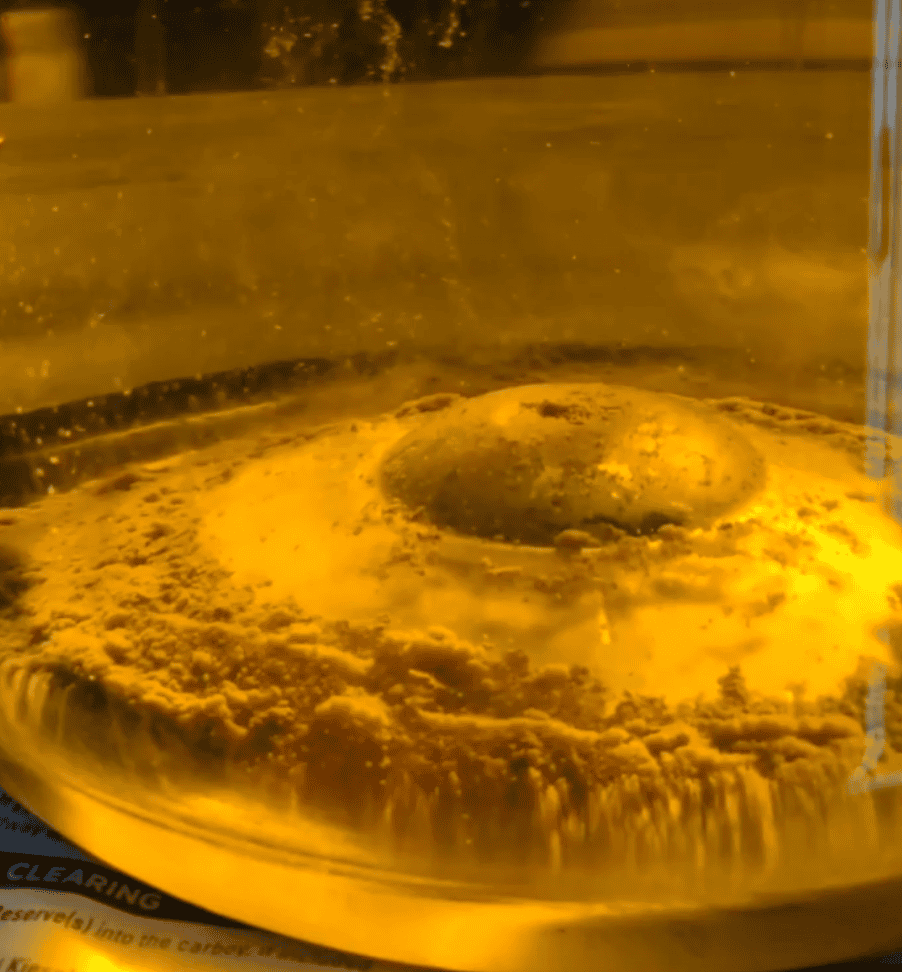
The Totally Normal Kind
Most sediment is just your wine’s natural leftovers. Lees are spent yeast and grape particles that settle after fermentation — harmless, and super common in unfiltered or homemade wine. Those little crystal “sparkles”? Those are wine diamonds (tartrates) — flavourless, harmless, and honestly a good sign (we wrote a whole post on those). And in older reds, a heavier, darker deposit is just tannins and colour gracefully dropping out as the wine ages.
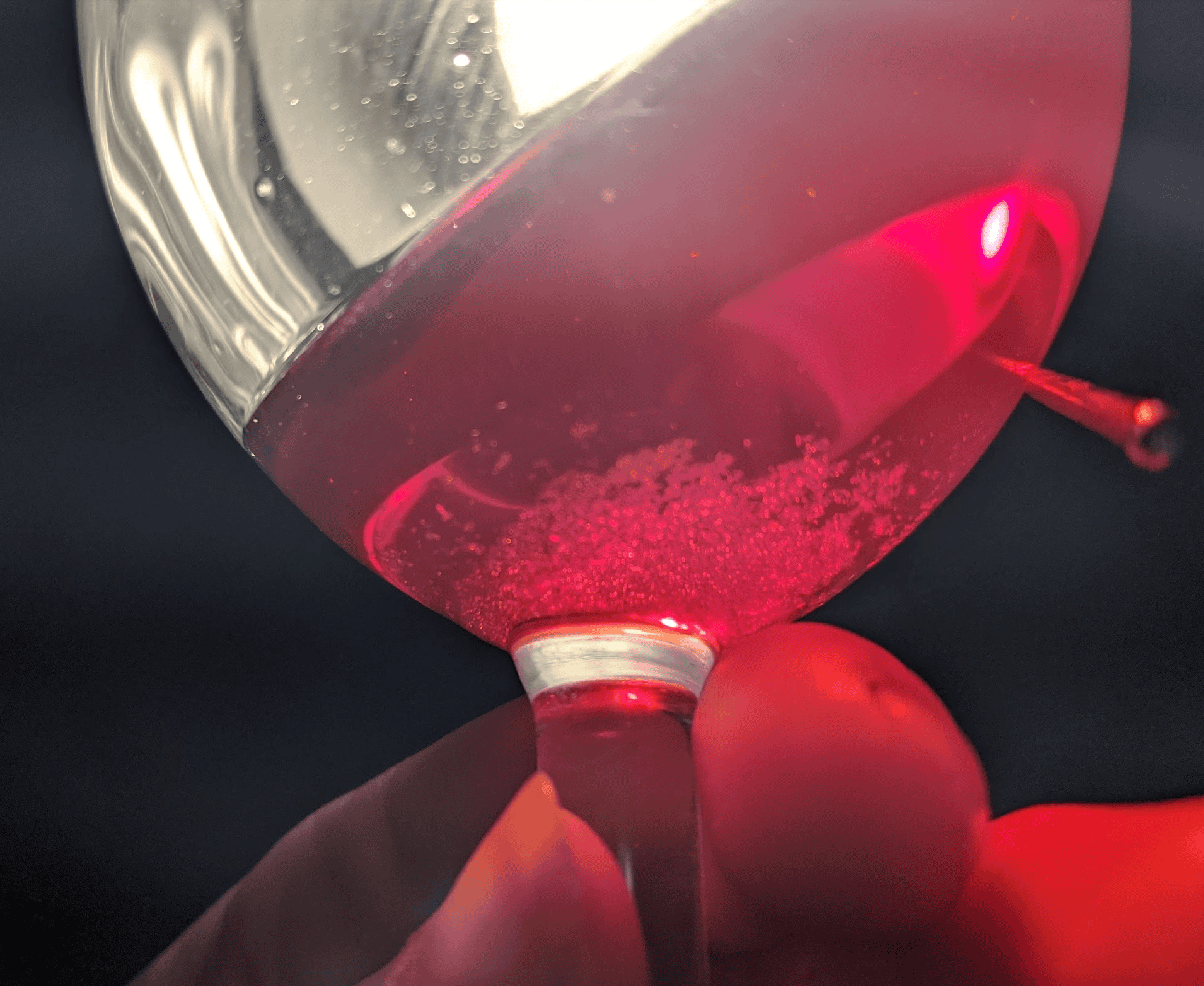
What About Natural Wines?
If your natural, unfiltered wines look cloudier and throw more sediment — that’s the whole point. Skipping the heavy fining and filtering keeps more character (and yes, more sediment) in the bottle. It’s a feature, not a flaw. Stand the bottle upright for a bit, pour slow, and enjoy.
Okay, But When Should I Actually Worry?
Sediment itself is rarely the villain — it’s what comes with it. Trust your nose. A sharp vinegar or nail-polish smell, surprise fizz in a wine that should be still, a rotten-egg funk that won’t fade, or a slimy film on top — those point to a wine that’s genuinely turned. But clean-smelling wine with a little grit? Drink up, friend.
How to Handle It Like a Pro
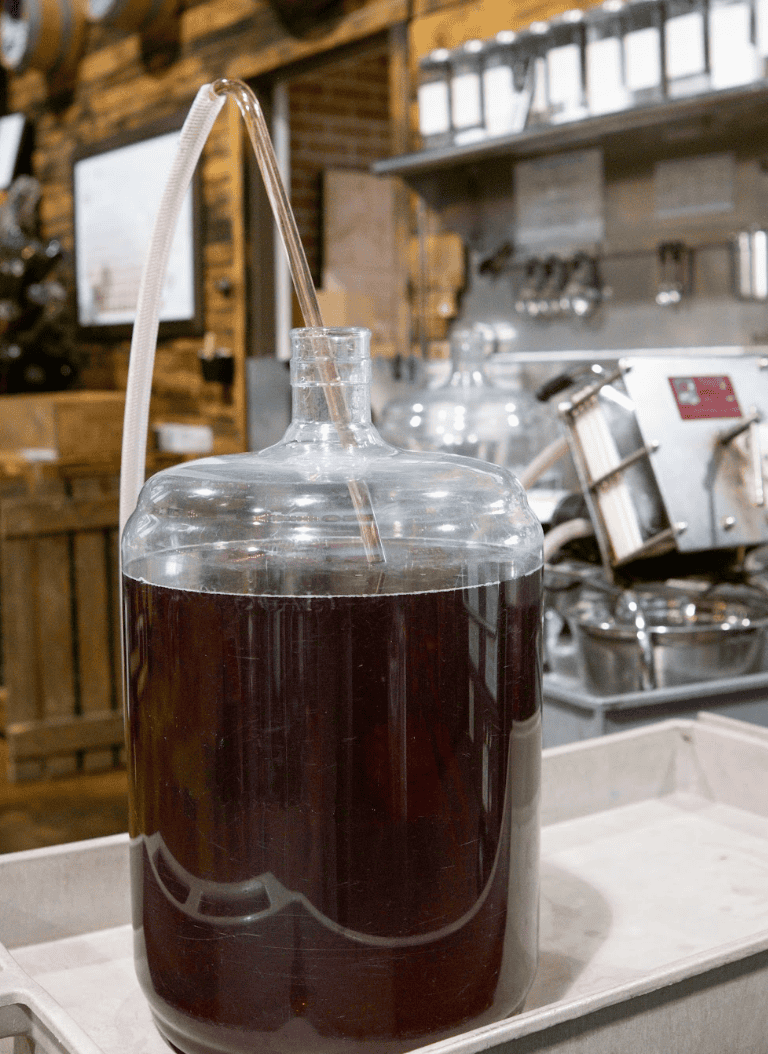
Stand the bottle upright a day before opening so everything settles. Pour gently and stop when the sediment creeps toward the neck. For older reds, decant — slowly pour into a carafe and leave the last splash (and the sludge) behind. Bonus: it lets the wine breathe.
The Bottom Line
A little sediment isn’t a defect — it’s your wine being real. When you make your own with us at Corkit, we handle the racking so it finishes bright and clean, but a touch of natural sediment can still show up, especially in fuller-bodied batches. That’s the good stuff. Want to see how it all works, from grape to gorgeous bottle you made yourself? Come make your own wine with us in North Vancouver. 🍷