
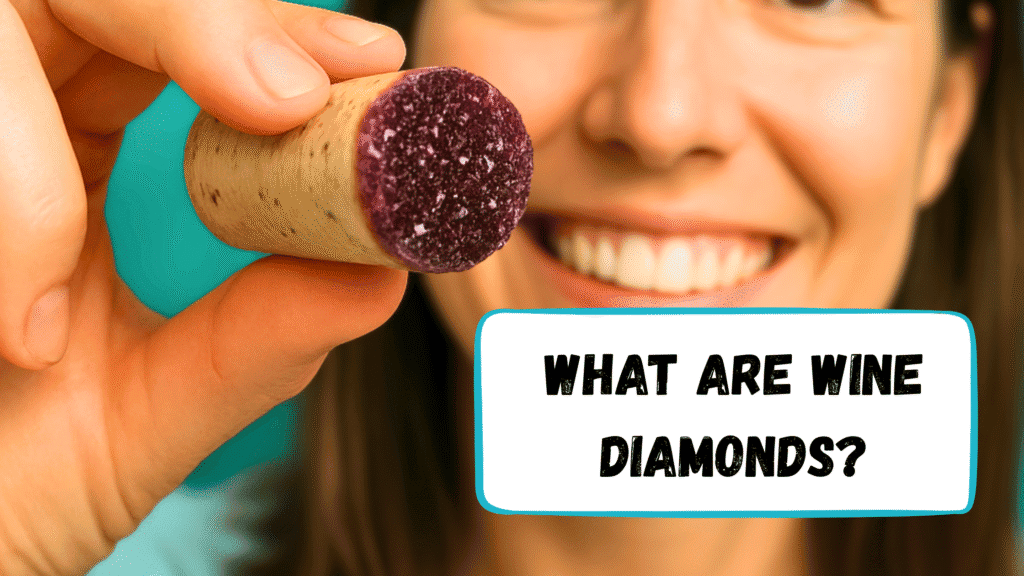
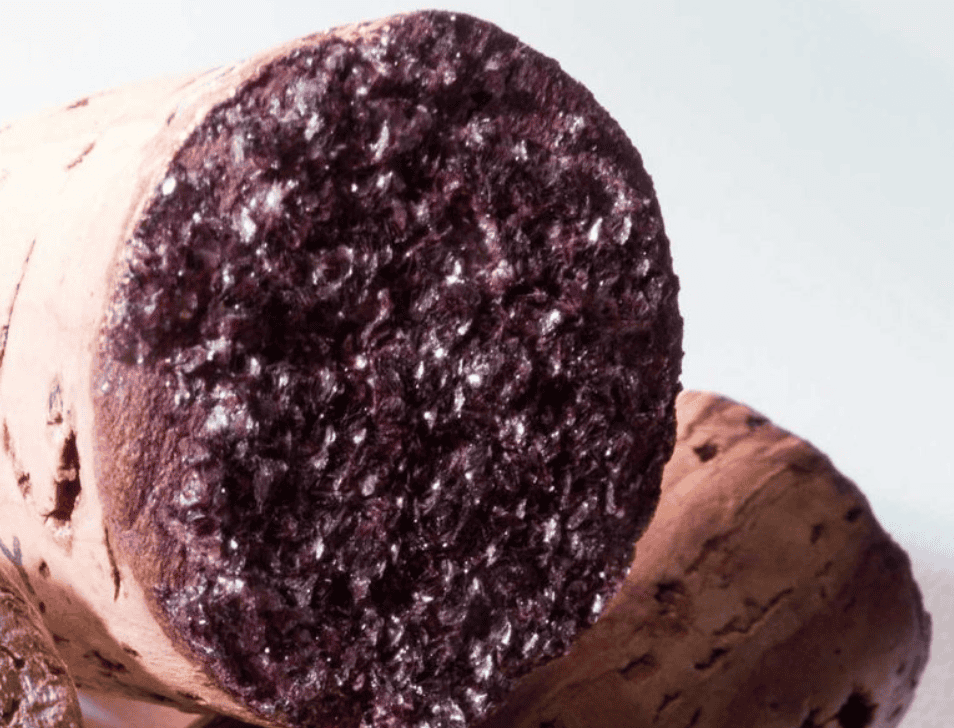
If you’ve ever spotted tiny crystals in your wine glass or clinging to a cork, you’ve discovered something special—wine diamonds. Also called tartrate crystals, these natural sparkles form when tartaric acid, one of the main grape acids, binds with potassium in cold conditions. Think of them as the “rock candy” of wine: harmless, beautiful, and a sign of authenticity.
How Do Wine Diamonds Form?
Wine diamonds form when wine is exposed to cool temperatures, either during cold stabilization in the winery or later in your fridge or cellar. When tartaric acid settles out as potassium bitartrate, it creates small crystal deposits. Many large producers filter them out to keep wine looking “perfect,” but small wineries and natural winemakers often embrace them. The result? A bottle that might sparkle with nature’s touch.

Why Wine Diamonds Are a Good Thing
Wine diamonds aren’t just harmless—they’re a marker of quality. Their presence means the wine hasn’t been aggressively processed, leaving it closer to its natural state. Many wine lovers consider them a positive sign, showing that what’s in your glass is authentic and full of character. While you may not want to crunch them between your teeth, they won’t affect the flavor or aroma of your wine.
Should You Be Concerned?
Absolutely not. Wine diamonds don’t mean the wine is faulty or spoiled. They’re tasteless, odorless, and 100% safe. They simply signal that your wine was exposed to cooler temperatures. If you prefer, you can decant the wine to leave the crystals behind—but for many enthusiasts, they’re a fun conversation starter and a reminder that wine is a living, natural product.
The Bottom Line
Wine diamonds are one of the most charming quirks of winemaking. Far from a flaw, they’re a sparkling reminder of authenticity and craftsmanship. The next time you notice crystals in your wine, don’t worry—raise your glass and celebrate the natural beauty of wine at its purest.