
You crafted your wine with us in North Vancouver — here’s how to store and age it so every bottle tastes its best. Cellaring lets the fruit, acid, oak and tannins in your wine settle into a smooth, balanced glass. Follow these simple guidelines and your batch will thank you.
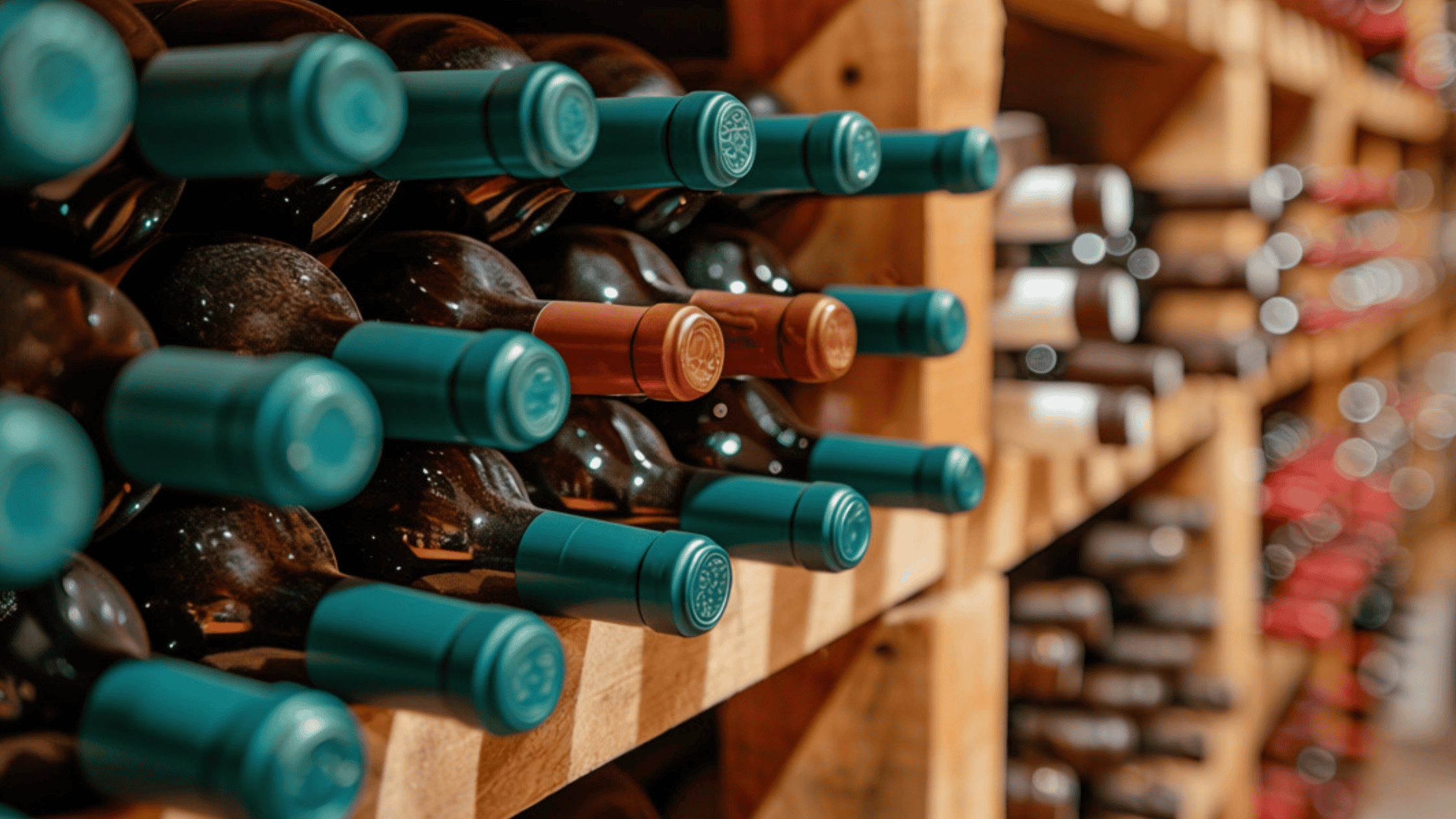
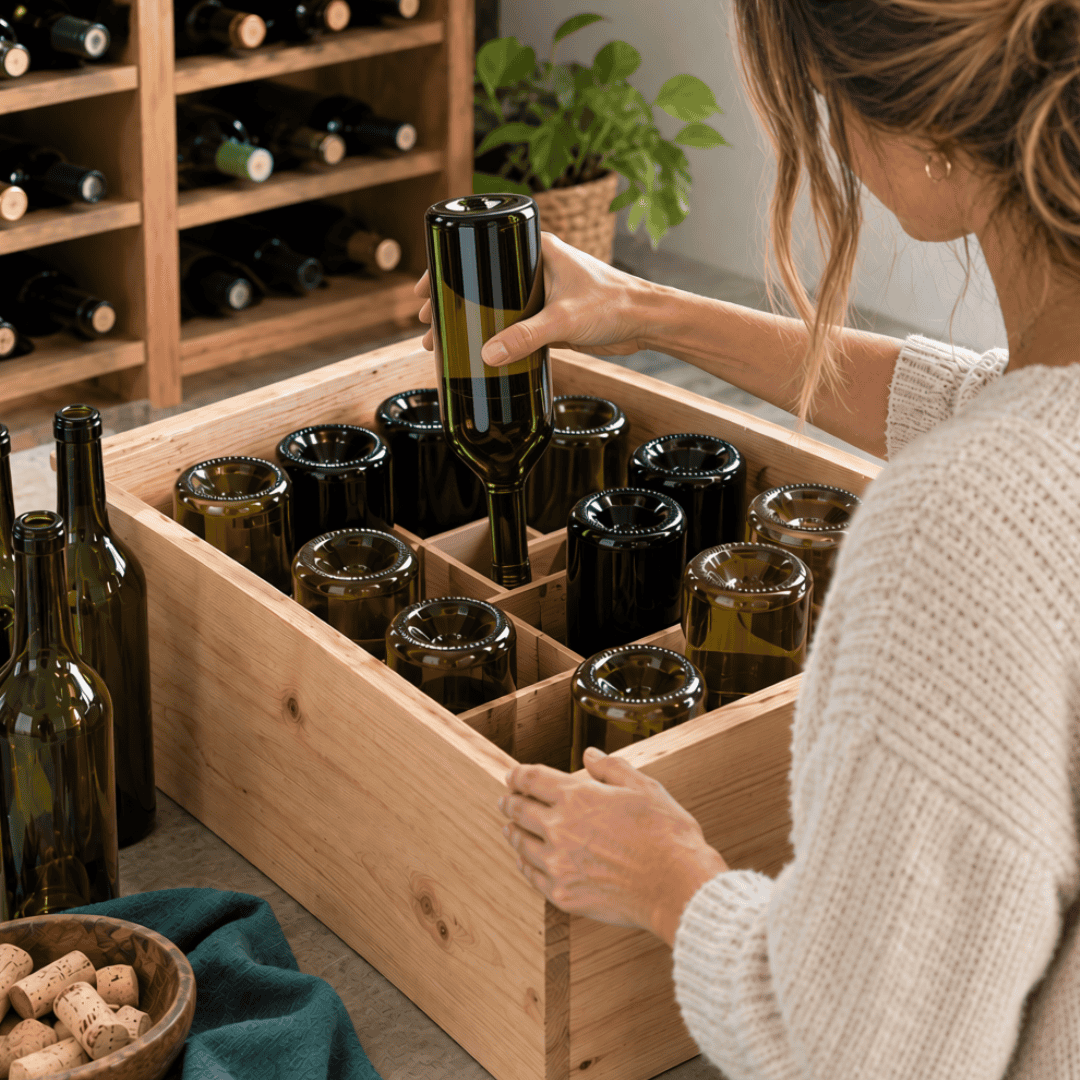
The cleanliness of your bottles matters more than almost anything else. When you finish a bottle, rinse it right away and store it neck-side down in a wine box so any remaining moisture drains out. This keeps mould from forming inside.
Saving your bottles for your next batch? Peel off the labels, remove the shrink wrap around the neck, give them a good rinse, and store them clean and neck-down until you’re ready to bottle again.
If one bottle from a batch smells “off” while the rest are fine, it’s almost always because that bottle wasn’t cleaned properly before filling. Spot any mould particles? Recycle that bottle. We keep plenty of brand-new bottles in the shop — sanitization is everything.
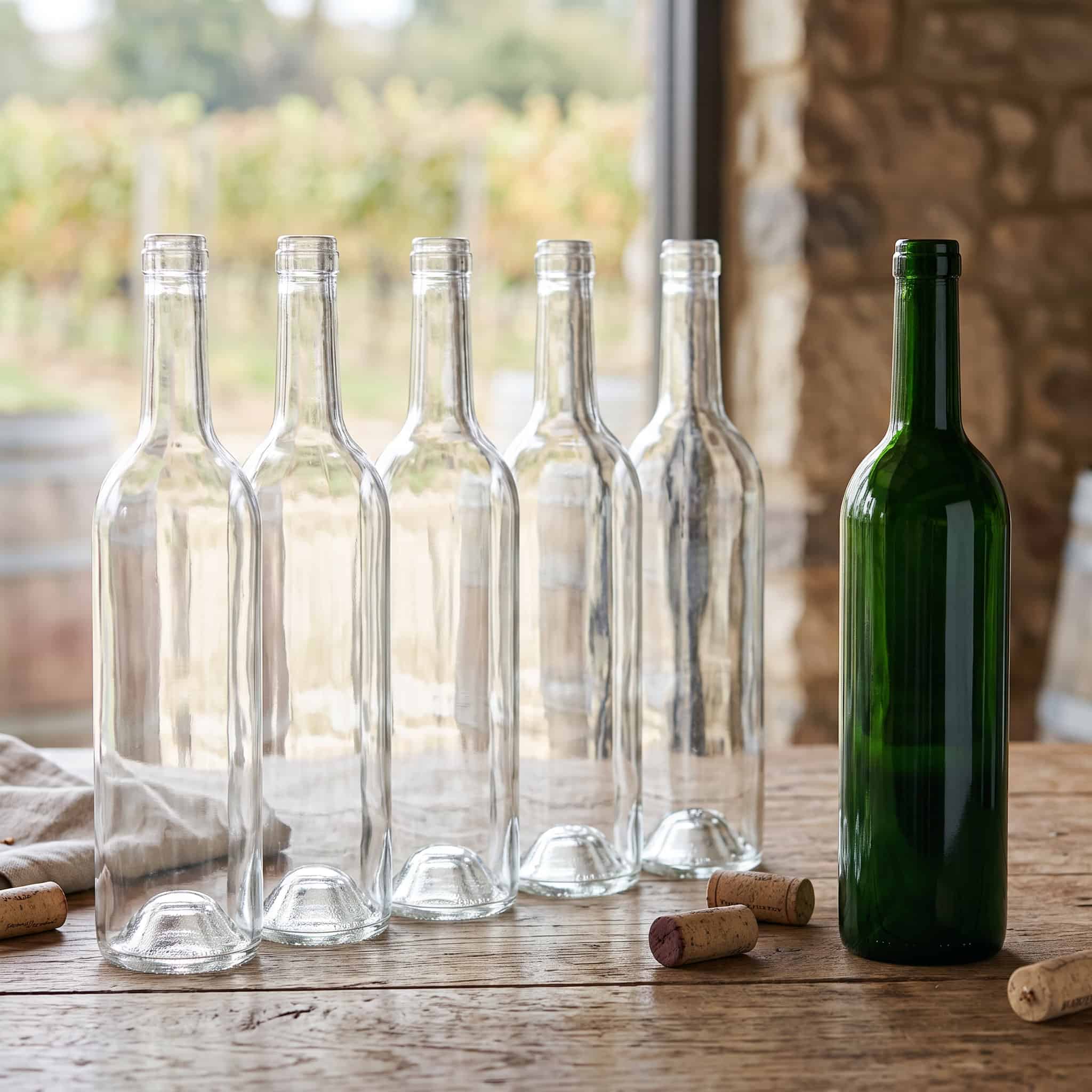
Constant light triggers chemical reactions that break wine down over time. Ultraviolet light does the most damage, and white wines and sparkling wines are the most vulnerable of all.
Keep your storage spot dark whenever you’re not in it. Red wine handles light a little better than white — which is exactly why reds are bottled in green-tinted glass that filters out UV.
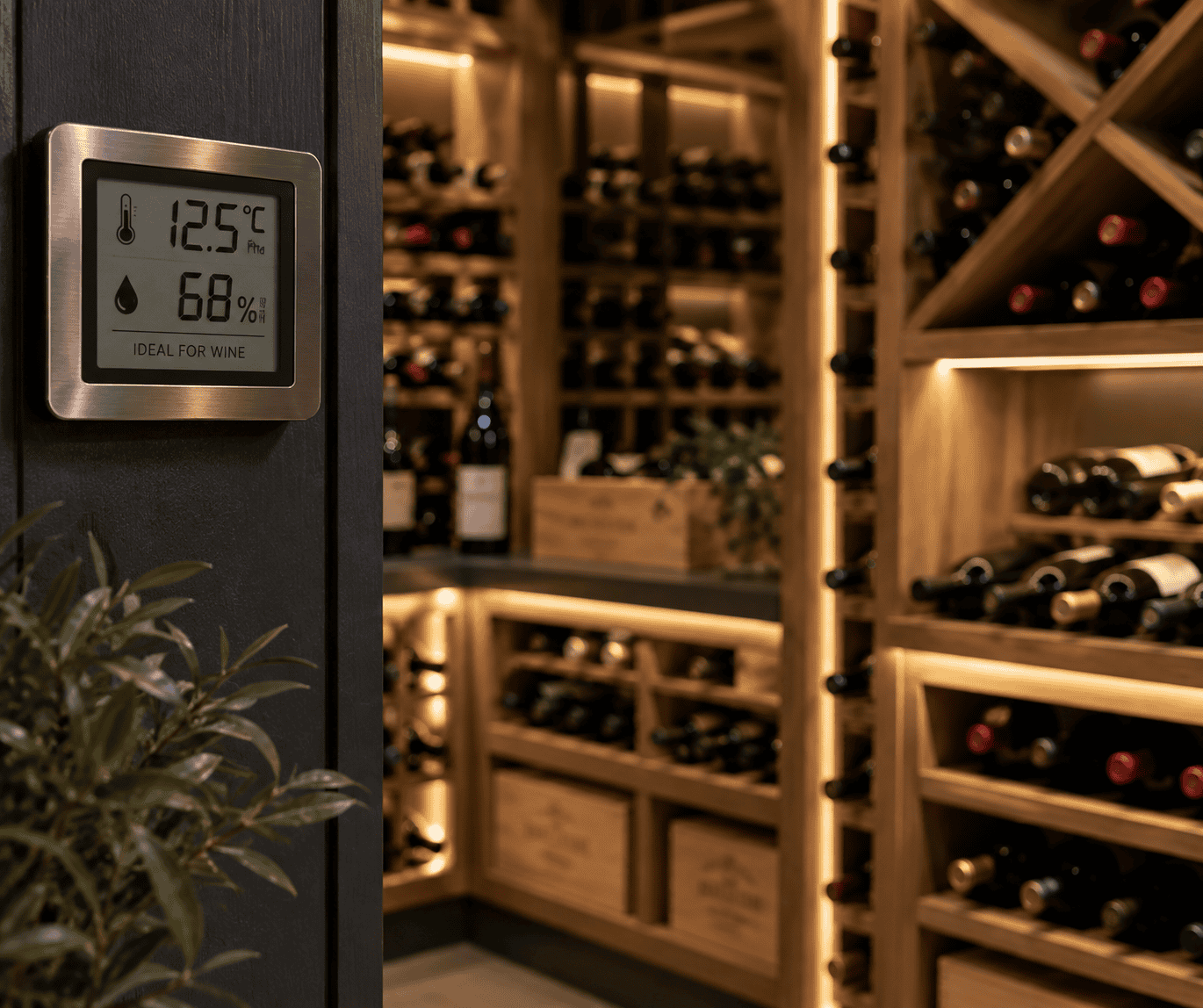
Aim for a steady 12–15°C. This range lets your wine age gently, without the premature ageing or oxidation that swings in temperature cause. Consistency is the real secret — a stable cool spot beats a cold one that fluctuates.
Keep relative humidity between 50–70%. Too dry and the corks shrink, lose their grip, and let air seep in. Too damp (over 70%) and mould can grow on the corks — at its worst, that can ruin a bottle.
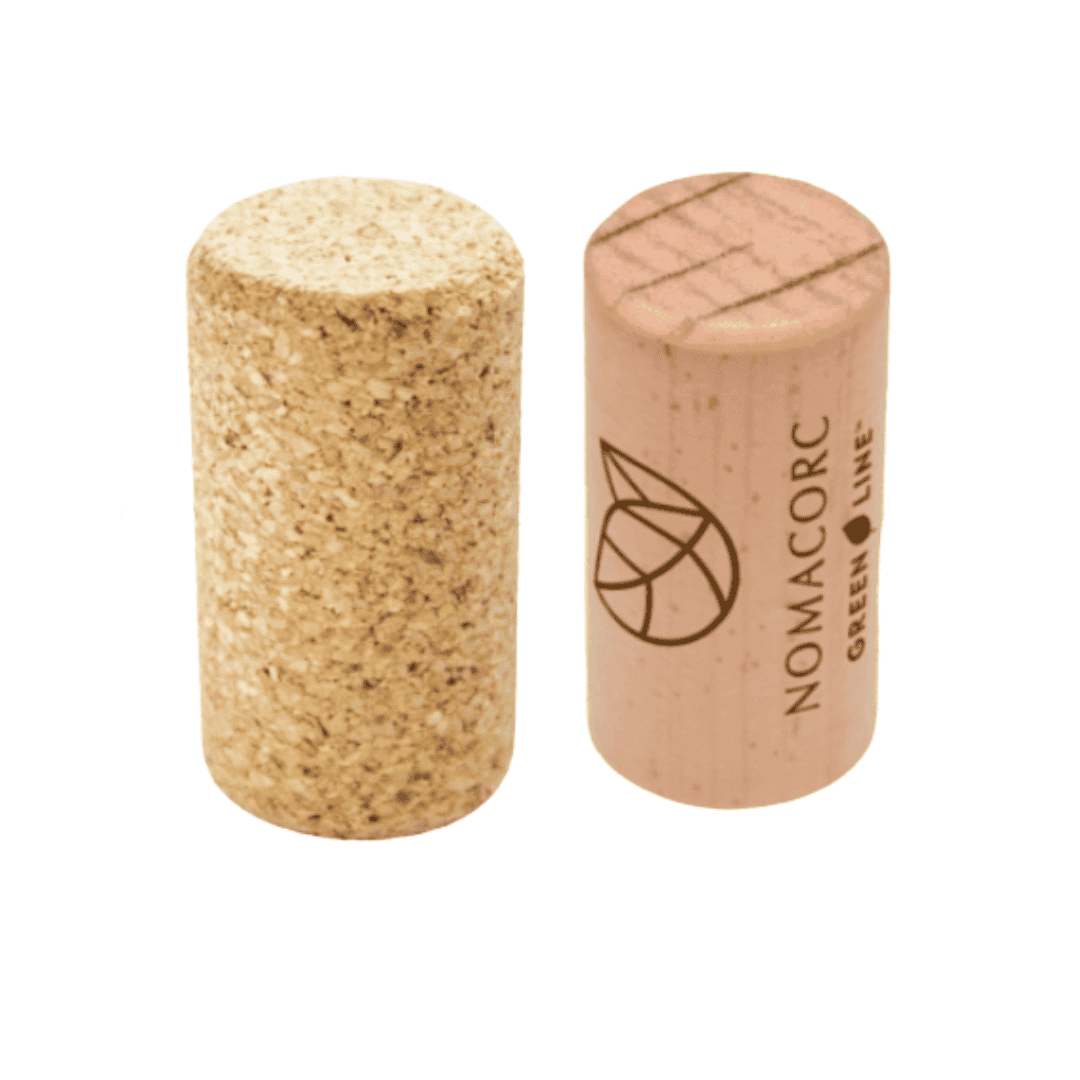
We use two types of corks at Cork It:
Agglomerated corks are made from natural cork chips bonded together. They’re ideal for wine you’ll enjoy within about a year.
Synthetic corks are engineered to look and “pop” like natural cork but seal far more reliably. They’re the choice for longer-term storage — no leakage, no random oxidation, and the same closures commercial wineries trust. Browse our corks, caps & closures anytime.
Good news — we add the correct amount of sulphite to every batch we craft with you. Sulphites protect your wine from spoilage and oxidation, so your bottles are looked after from the moment they leave us — no measuring or guesswork on your end.
Your wine will keep beautifully for six months to two years. Planning to age a special batch even longer? Just let us know and we’ll add extra sulphites so it’s set up for the long haul.
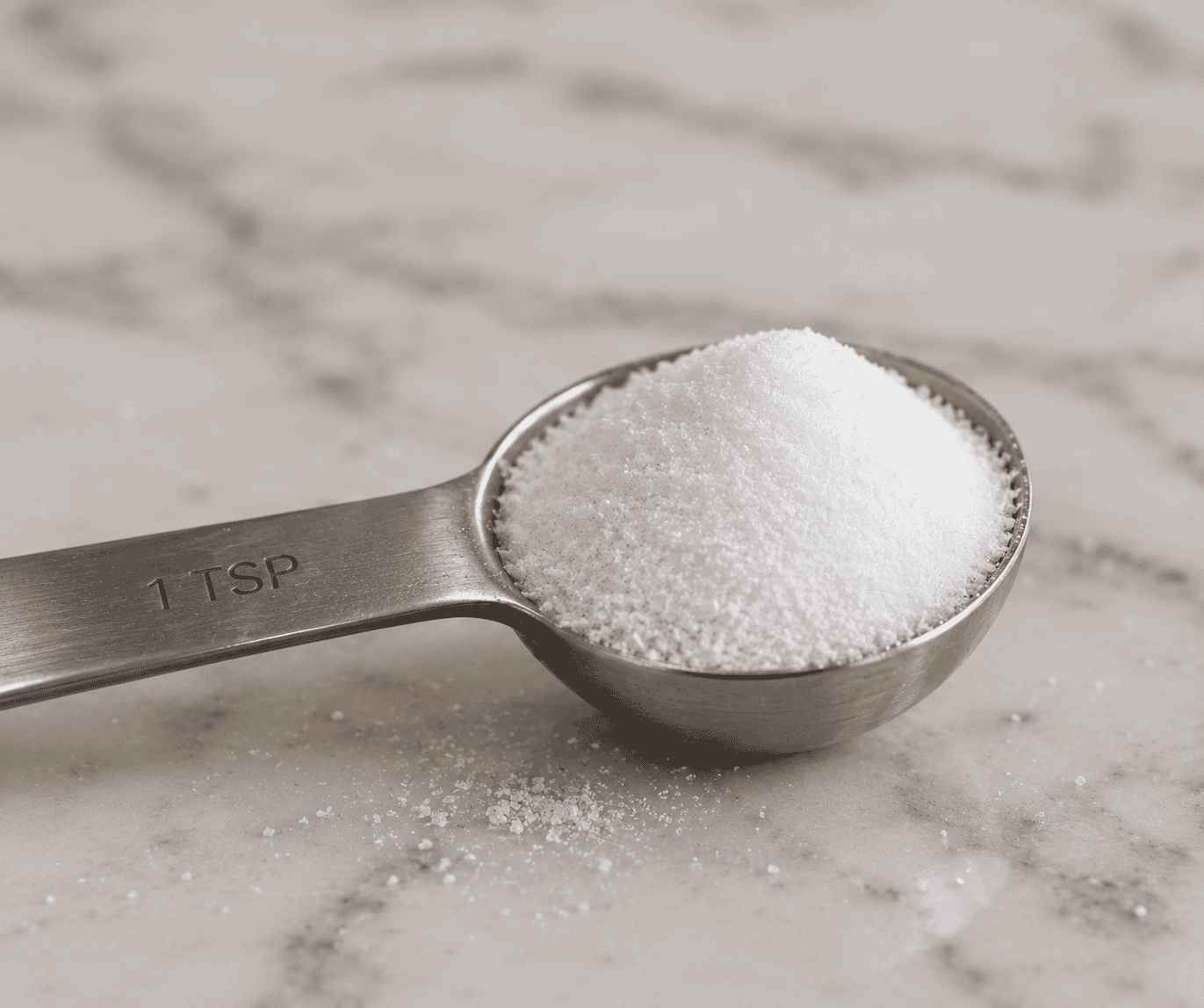
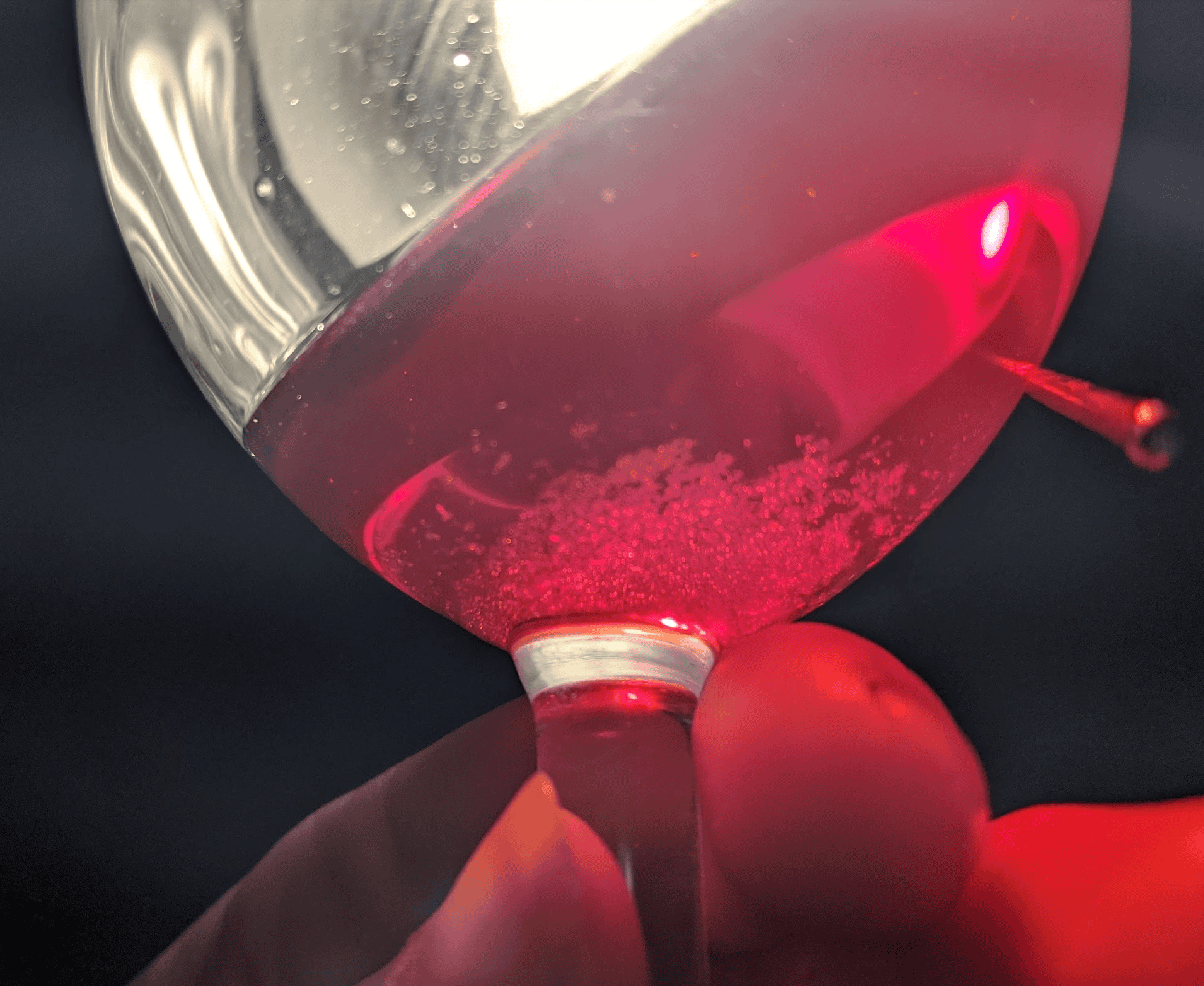
Noticing tiny crystals in the bottom of a bottle? Those are tartrates — affectionately called “wine diamonds.” They’re one of the natural acids found in wine, completely harmless, and not a sign of a flawed bottle. Tartrates turn up routinely in high-quality commercial wines, and many people consider them a mark of quality.
Don’t be alarmed if you spot a little sediment at the bottom of a bottle either — it’s perfectly normal, and most common in red wines as they age. This isn’t tartrate crystals; it’s the wine’s natural tannins and colour pigments gently binding together and settling over time. Far from a fault, it’s simply a sign your red is maturing nicely.
Either way, the fix is the same: stand the bottle upright for a day, then pour gently and leave the crystals or sediment behind.
A steady 12–15°C is ideal. A consistent temperature matters more than a very cold one — avoid spots that swing warm and cool, like beside a heater or in an unheated garage.
Store bottles with natural or agglomerated corks on their side so the wine keeps the cork moist and swollen, sealing out air. Bottles with synthetic corks or screw caps can be stored upright without issue.
Every batch we craft is bottled with the right amount of sulphite, so your wine keeps well from six months to two years. Planning to age a special batch longer than that? Just ask us to add extra sulphites when you bottle.
Yes. Those crystals are tartrates, or “wine diamonds” — a natural, harmless part of the wine. They’re common in quality wines. Just pour gently and leave them in the bottle.
Completely. Reds often throw a soft sediment as they age — natural tannins and colour pigments settling out over time. It’s harmless and different from tartrate “wine diamond” crystals. Stand the bottle upright for a day, then pour gently and leave the sediment behind.
Almost always it’s that single bottle wasn’t rinsed and sanitized well before filling. Rinse bottles right after use, dry them neck-down, and recycle any showing mould.
Everything you need to store and age your wine is ready in our shop — or come see us in North Vancouver.
Shop Homebrew Supplies