
A bottle on its side keeps the cork alive — and lets your reds quietly breathe and soften over the months. Here’s why that matters more for your wine than for the screw-cap bottle from the shop.
You’ve carried home a case of wine you made yourself. Thirty bottles, corked and labelled and ready. So here’s the one small habit that protects all of it: lay the bottles down on their side.
It seems like a fussy detail — a thing serious collectors do with dusty cellar racks. But there’s real science underneath it, and for the wine you craft with us in North Vancouver it matters more than it does for most bottles off the shelf. The reason comes down to one thing most people never think about: what’s actually plugging the top of the bottle.
First, the simple reason: keep the cork happy
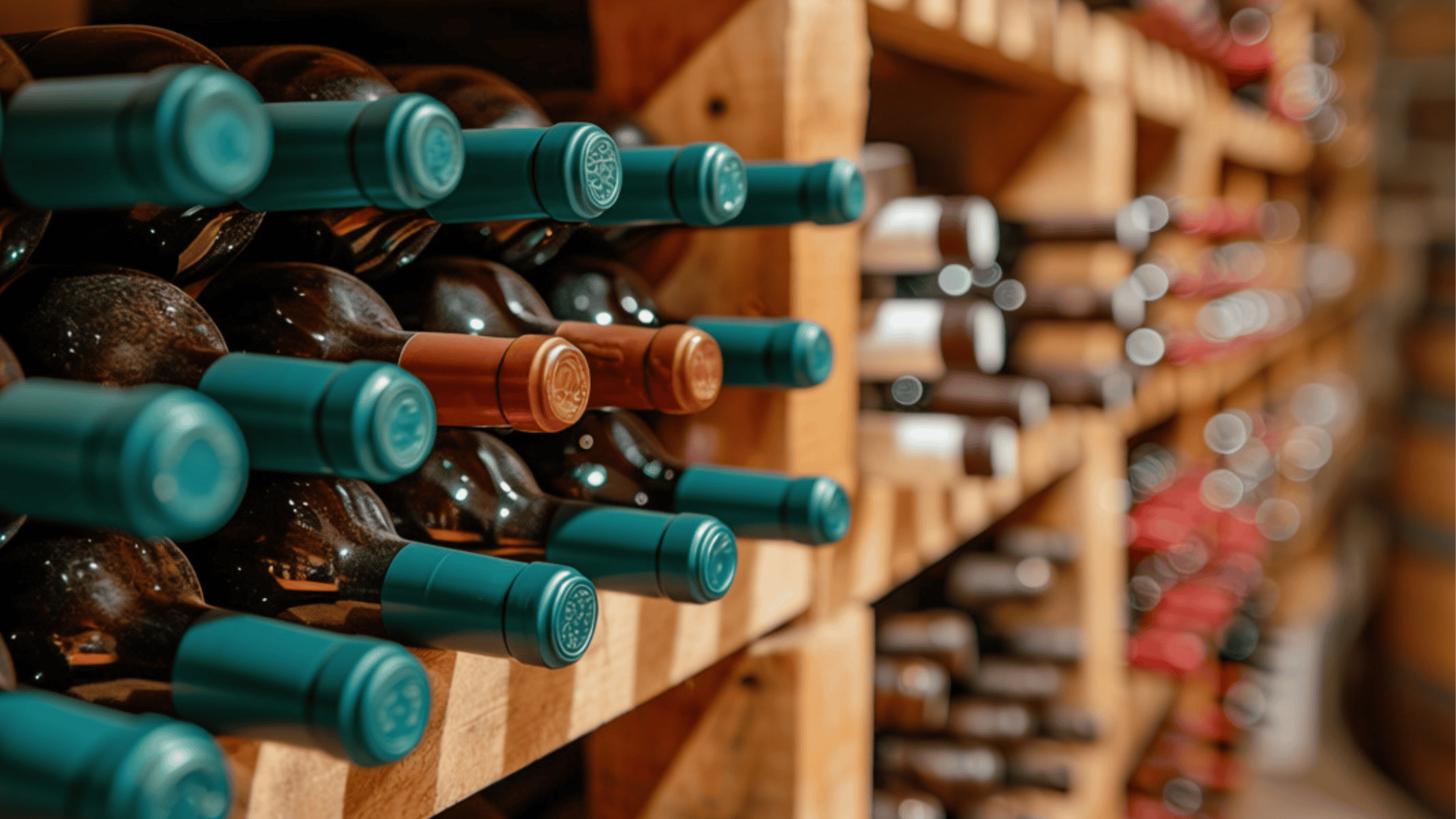
A cork is a natural material, and it needs to stay a little damp to do its job. Stand a corked bottle upright for months and the only thing touching the cork is the pocket of air in the neck. Over a long enough stretch, the exposed end can dry out, shrink, and get brittle — and a shrunken cork is a leaky cork. Once it stops sealing cleanly, air sneaks in, and air is the enemy of a finished wine.
Lay the bottle on its side and the wine rests gently against the underside of the cork. The cork stays swollen, supple, and sealing exactly the way it did the day you drove it in. That’s the whole idea — and it’s why wine racks have been built to hold bottles horizontally for a few hundred years.
The honest science — there’s a debate
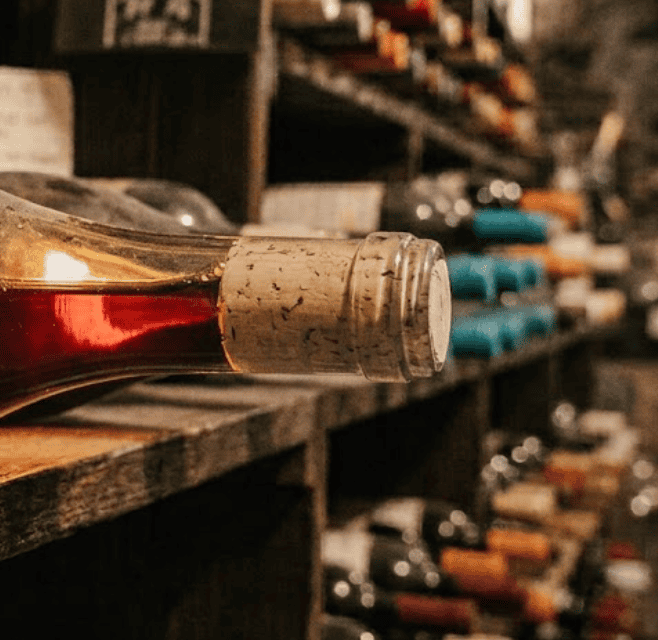
We’ll be straight with you, because you’ll find this if you go digging. Some modern researchers — including scientists at the big cork companies — argue that a sealed bottle already holds near-100% humidity in the neck, so a natural cork won’t truly dry out even standing up. By that view, side storage is tradition as much as necessity.
Here’s the practical truth that sits under the argument: the closer and longer the wine touches the cork, the more insurance you have against a cork drying, shrinking, or letting a little extra air in over time. For wine you plan to keep for months or years — and for the type of corks in your bottles — lying down is the low-risk choice. It costs you nothing, and there’s no version of the story where it hurts. Which brings us to the part that actually makes your wine different.
What’s really in your bottle: agglomerated + synthetic corks
When you make wine with us, we seal your bottles with a mix of agglomerated corks and synthetic corks — not the screw caps you see on a lot of most liqour store wine. That single choice changes how your wine lives and ages, so it’s worth understanding.
- Agglomerated cork — real cork, ground into fine granules and bound back into a stopper. It behaves like natural cork: it stays supple against the wine, and it lets a tiny, slow trickle of oxygen pass through. That trickle is the key to everything below.
- Synthetic cork — a food-safe moulded stopper that seals reliably and consistently, batch after batch. It won’t dry out the way natural cork can, and it gives a very steady, gentle amount of air exchange.
- Screw cap — the near-airtight seal on many everyday bottles. Almost no oxygen gets in. Great for keeping a fresh white crisp and unchanged — but it essentially puts the wine’s development on pause.
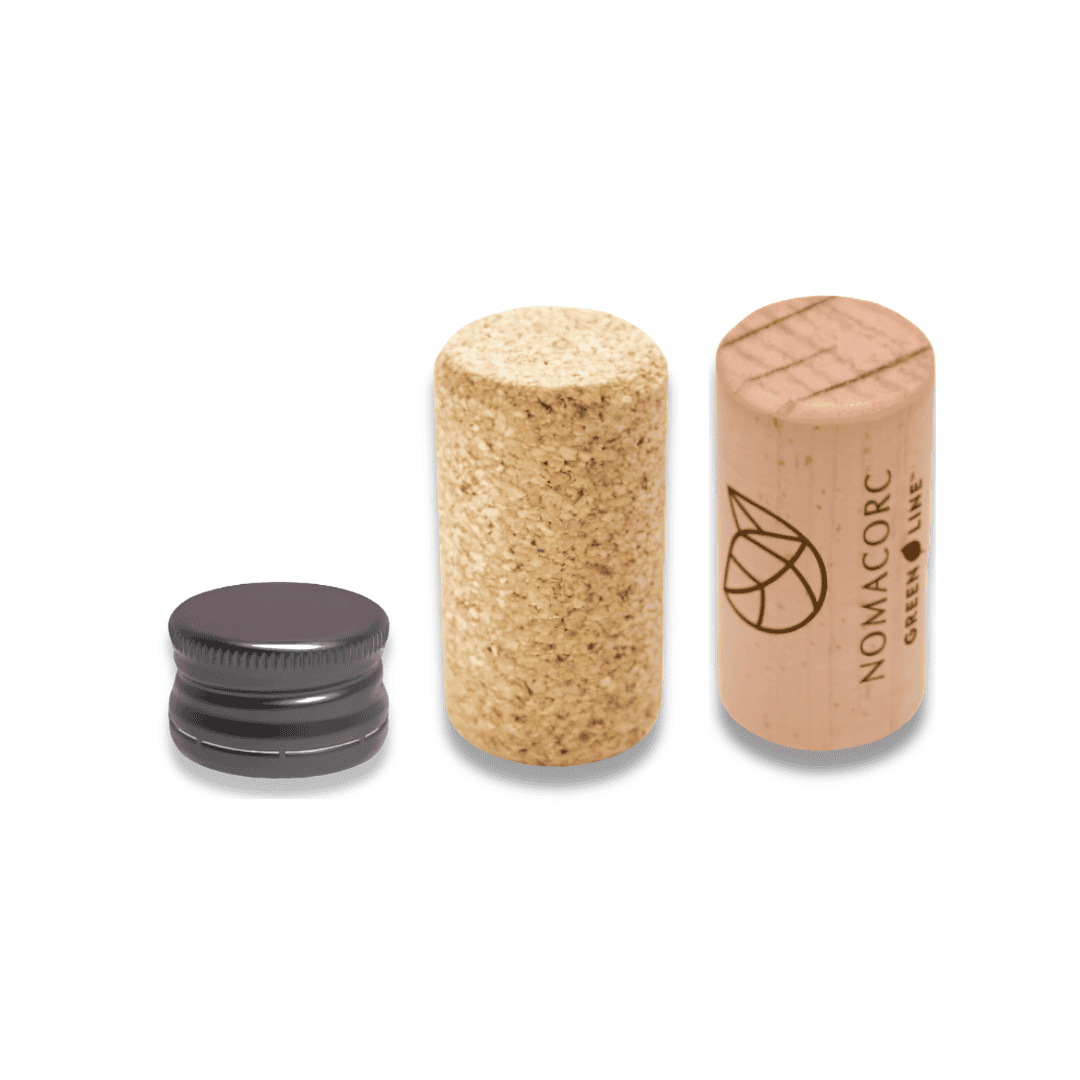
The difference between these isn’t marketing. It’s measurable — it’s the amount of oxygen each one lets into the bottle every year.
“Breathing”: the slow magic that softens a red
A cork isn’t a perfect plug, and that’s the point. A cork closure lets a whisper of oxygen into the bottle — roughly a milligram or so over the first several months, then next to nothing after that. Winemakers call this micro-oxygenation. In plain English: the wine breathes.
That tiny, controlled sip of air is what mellows a young wine. In reds especially, it’s what softens the grippy, drying edge you feel on your gums — the tannins — and rounds the wine into something smoother and more integrated. It’s the same slow chemistry that stabilizes colour and coaxes out the deeper, secondary aromas in an aged red. It doesn’t happen in a weekend; it happens over months, quietly, in a bottle lying on its side in the dark.
A screw cap barely lets that happen. Lock a red under a near-airtight cap and it stays tight and youthful far longer — which is why the cork under your wine is doing your reds a genuine favour. Your agglomerated corks let the wine keep growing up. That’s a feature, not a compromise.
Closure at a glance
| Closure | How much it breathes | Needs side storage? | Best for |
|---|---|---|---|
| Screw cap | Almost none — near-airtight | No | Fresh whites you want unchanged; drink-now bottles |
| Agglomerated cork | Small, steady trickle | Yes — keeps it supple & sealing | Reds that soften and round out over months |
| Synthetic cork | Gentle, very consistent | Recommended — and it stacks neatly | Reliable seal; whites & earlier-drinking reds |
| Natural cork | A touch more, less predictable | Yes | Long-cellar fine wine |
Your wine vs. the bottle from the store
This is where the u-brew world and the commercial world part ways — and knowing the difference tells you exactly how to treat your case.
| Wine you make with us | Typical commercial bottle | |
|---|---|---|
| Closure | Agglomerated & synthetic cork | Often screw cap; cork on pricier bottles |
| Sulphite / preservative levels | Lighter — cleaner drinking, but a shorter shelf life | Higher, dialled for years of shelf and transport |
| How it’s meant to be enjoyed | Within about 1–2 years — at its lively best | Anywhere from now to decades, by style |
| Does side storage matter? | Yes — cork needs contact, and your reds are still softening | Screw-cap bottles: not really. Cork bottles: yes |
| Bottle-to-bottle variation | A little — part of the handmade charm | Engineered to be near-identical |
The takeaway: because your wine is corked and made to be enjoyed relatively young and fresh, the storage basics do real work. A commercial screw-cap white can stand upright in a cupboard and shrug it off. Your corked reds want to lie down, stay cool, and be given a little time.
Your simple storage checklist
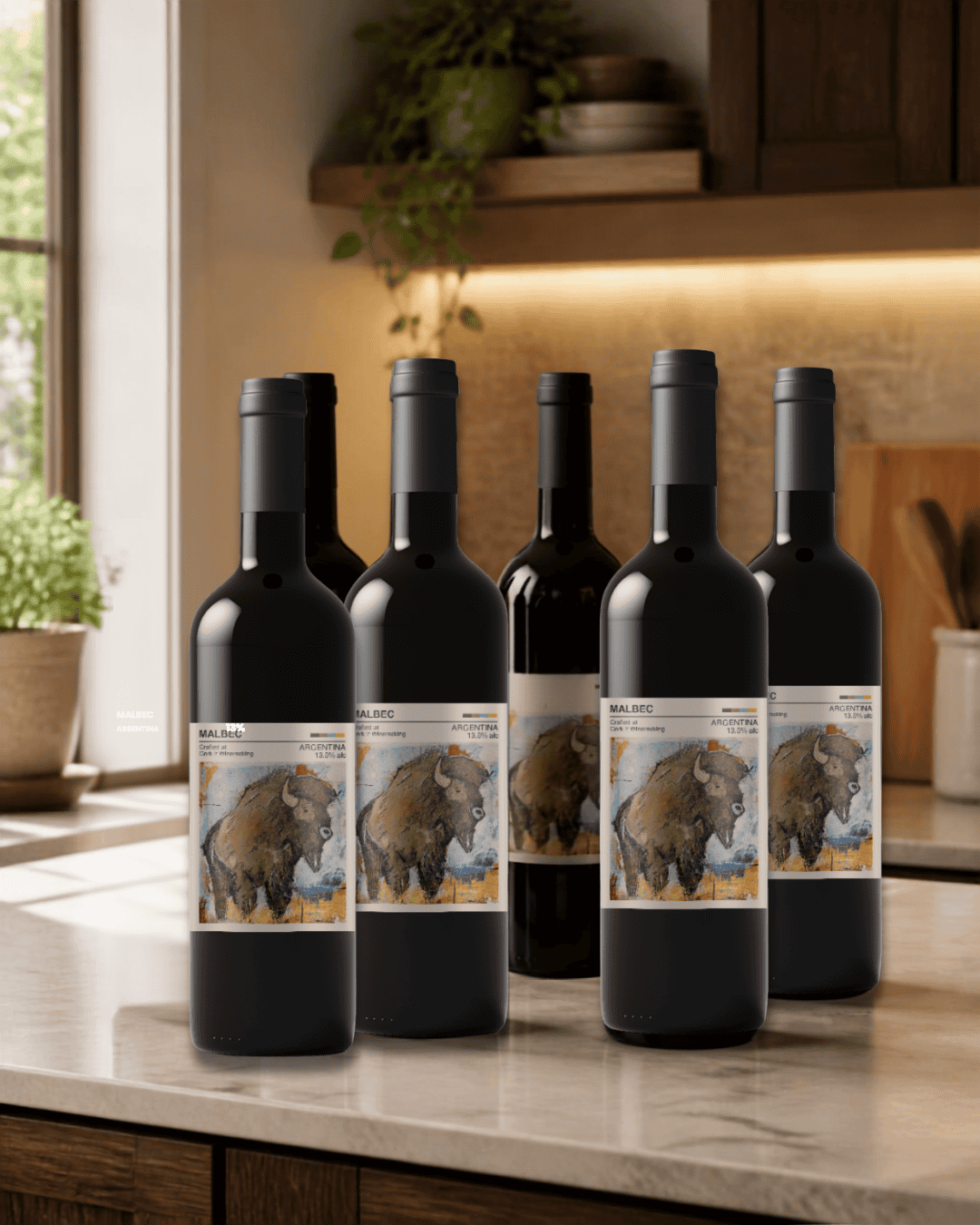
- Upright for the first 3–5 days after corking, so the cork seats and any pressure settles.
- Then lay every bottle on its side — wine touching cork — for the rest of its life in your rack.
- Keep it cool and steady: aim for roughly 10–15 °C (50–60 °F). A closet, basement, or a low cupboard beats the top of the fridge or a sunny counter.
- Keep it dark: light, especially sunlight, ages wine fast and unkindly.
- Skip the temperature swings: a spot that stays the same beats a warm-then-cold garage every time.
- Give the reds a little patience. A month or two on their side already smooths a young red; a few more rounds them out beautifully.
The short version
Lay your bottles down. It keeps your agglomerated and synthetic corks sealing the way they should, and it lets your reds do the slow, quiet breathing that turns a young wine into a rounder, softer, more grown-up one. A screw-cap bottle from the store doesn’t ask this of you — but the wine you made with your own hands does, and it pays you back in the glass.
We’ve been helping people craft wine they’re proud of since 2000. Getting it home is only half the fun — storing it right is how you make sure the last bottle is even better than the first.
Ready to make a case worth laying down?
Book a winemaking experience with us in North Vancouver — no equipment, no expertise needed. You craft it, we guide every step, and you take home a case to enjoy for the year ahead.